

Dubbed as gaudy and excessive, the Postmodern (or PoMo) architecture of the 1970s, ‘80s and ‘90s, now aged, is at threat from cultural dilapidation and demolishment. After falling out of fashion in the late 1980s, a cultural shift ushered in ‘Deconstructivist Architecture’, prompting Michael Graves, one of America’s pre-eminent postmodernists to wryly comment, “I’m toast”.
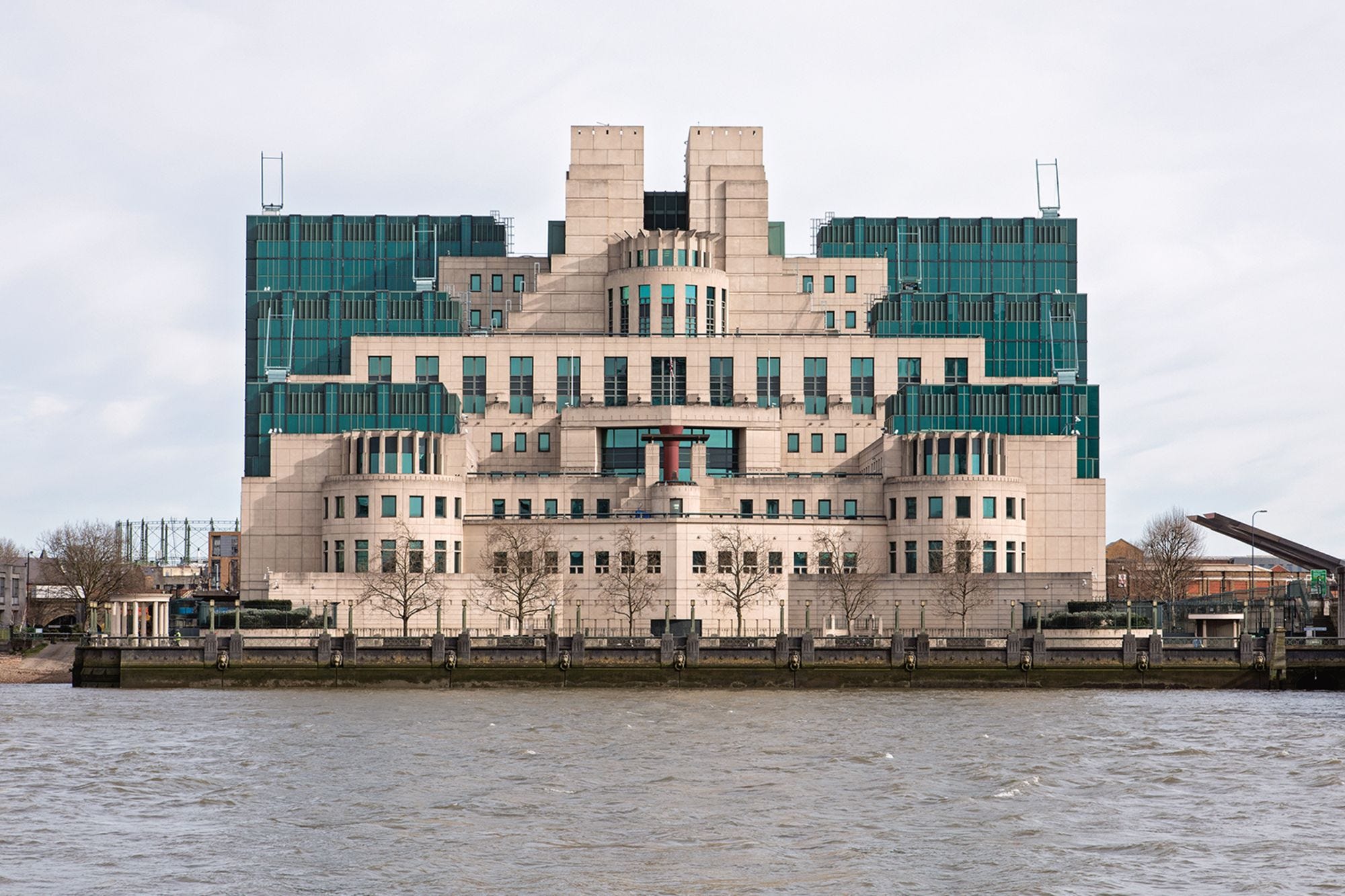
Today, many postmodernist structures enter their midlife crisis, and in turn the public’s eye, as to whether these cartoonish, eccentric structures are necessary in civic spaces; and perhaps more importantly, whether people like them at all?
Postmodernism, a colourful and playful school of design, splintered the old and long-established notions of mid-century modernism. Its tributaries flow into a range of artistic fields and mediums; in architecture, perhaps the more villainous representation is its radical detachment from the bland mundanity of modernism, instead favouring colourful mashups of columns and pediments, structural variety, and a zany sense of visual humour.
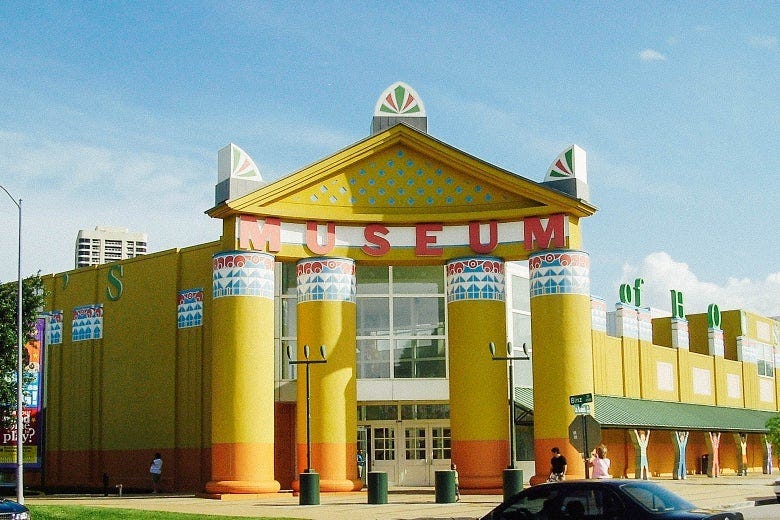
As a cheeky riposte to the dusty phrase, “less is more” by Mies van den Rohe, Robert Venturi famously said, “Less is a bore,” a playful response, in reference to modernism’s structural rationality and calls to abolish superfluous architectural design, or in other words, ornamentation as a distraction, or as something unethical in its extravagance.
Wading into the Postmodern debate, Zaha Hadid said, “We must surely all do our utmost to ensure that we do not destroy yet another beautiful example of Postmodernist architecture,” in defence of London’s No 1 Poultry recognition as a listed building.
Beyond the at risk list, and recently demolished, is Marco Polo House, in Battersea, London, designed by Ian Pollard. And more recently, Piercy & Co have set in motion plans to reimagine and extend an SOM-designed PoMo office block in Broadgate, London. The Postmodern eight-storey building is situated next to Liverpool Street Station and will see an extra six storeys added for ‘best in class’ offices. The core principles of the project look at sustainability and resilience, plus all-important carbon reduction questions and low emissions during its operating life.
Alban Gate (1986–87) by Terry Farrell, in the City of London, recently saw proposals tabled for reworking the structure, resulting in C20 submitting the landmark postmodernism office building for listing. All in the effort to safeguard against unsympathetic alterations and ensure a balanced conservation-led refurbishment.
Across the pond, many PoMo buildings also hang in the balance, from Philip Johnson’s AT&T building in New York, plus Helmut Jahn’s Thompson Centre in Chicago, indicative of a period still struggling to be taken seriously.
Historically, the tolerant, pluralist society that emerged after the Second World War needed an inventive architectural language with similar values, to move freely towards the future, and slip away from the functionalist grip of modernism.
In cities littered with uniformity, steel and aquiline glass, is postmodernism’s quirk still important? Its stigma and public resistance say otherwise, though historicists would argue the importance of context — an art movement of the past, eclectic, and ironic; where its origins can be traced back to 1945, when an essay entitled ‘The Post-Modern House’, written by Joseph Hudnut, the Dean of Harvard University’s Graduate School of Design, called for a humane and expressive architecture.
In Charles Jenck’s book, ‘The Story of Post-Modernism’ (2011) he argues that through symbol and metaphor, a slew of buildings were brash and bold, and refers to postmodernism as the unfinished movement of five decades, still alive today, and prompting contentious debate — bookmark postmodernism in a roomful of architects, and watch the crowds fracture.
Turbulent years have changed public consciousness and expectations of the built environment, where functionality and sustainability could upend the brash structures of Postmodernism. Architectural trends seem to point toward more intentional living, coupled with concerns about the construction sector’s CO2 emissions and the excessive use of plastics. Does green architecture and eco-conscious living spell an end for Postmodernism? Conversations about the circular economy now take centre stage, in business and architecture, as the salient factor to any project. Biophilic design, utilising natural wood and water systems, and trends like the tiny house movement feature today in an epochal shift in architecture and collective thought.
And so the question ultimately becomes, will people rally to Postmodernism’s defence. Liz Waytkus, the executive director of Docomomo US, a building preservation non-profit, says, “We need diversity, we need unique spaces. We don’t want everything to look like a Singapore airport.”